The Doctrines of Grace can be difficult to understand. What’s more, how the Doctrines of Grace interact with other points of biblical teaching can be challenging to reconcile. One of the most pressing questions that I’ve experienced from non-Reformed Christians is, “If Calvinism is true, why would we evangelize?” In this article, I answer that question from the words of Jesus, Paul, Acts, and historic Protestant confessions.
Romans chapter 8 is one of the most theologically rich chapters in the whole Bible, filled with beautiful truths about The Gospel, the sovereign grace of God, our assurance of salvation, the work of the Holy Spirit, and the relationship between faith and works. In this study, join us as we unpack what Paul has to say about both our experience of justification and the security God’s finished work in bringing us to saving faith in the Lord Jesus, including a short discussion of Limited Atonement.
The Didache is an ancient Christian document—possibly even older than some of the New Testament books themselves. As such, it can give us a very interesting view into what the Early Church believed and practiced, and serves as an example to which we can compare the many modern expressions of Christianity.
The book of Hebrews is, sadly, unknown to lots of Christians. However, its clear and powerful presentation of The Gospel ought to inspire the greatest confidence in the life of all believers. Hebrews 10 reminds us to look towards Christ as the perfect guarantor of our salvation, having perfected us “once for all” through His sacrifice on the cross.
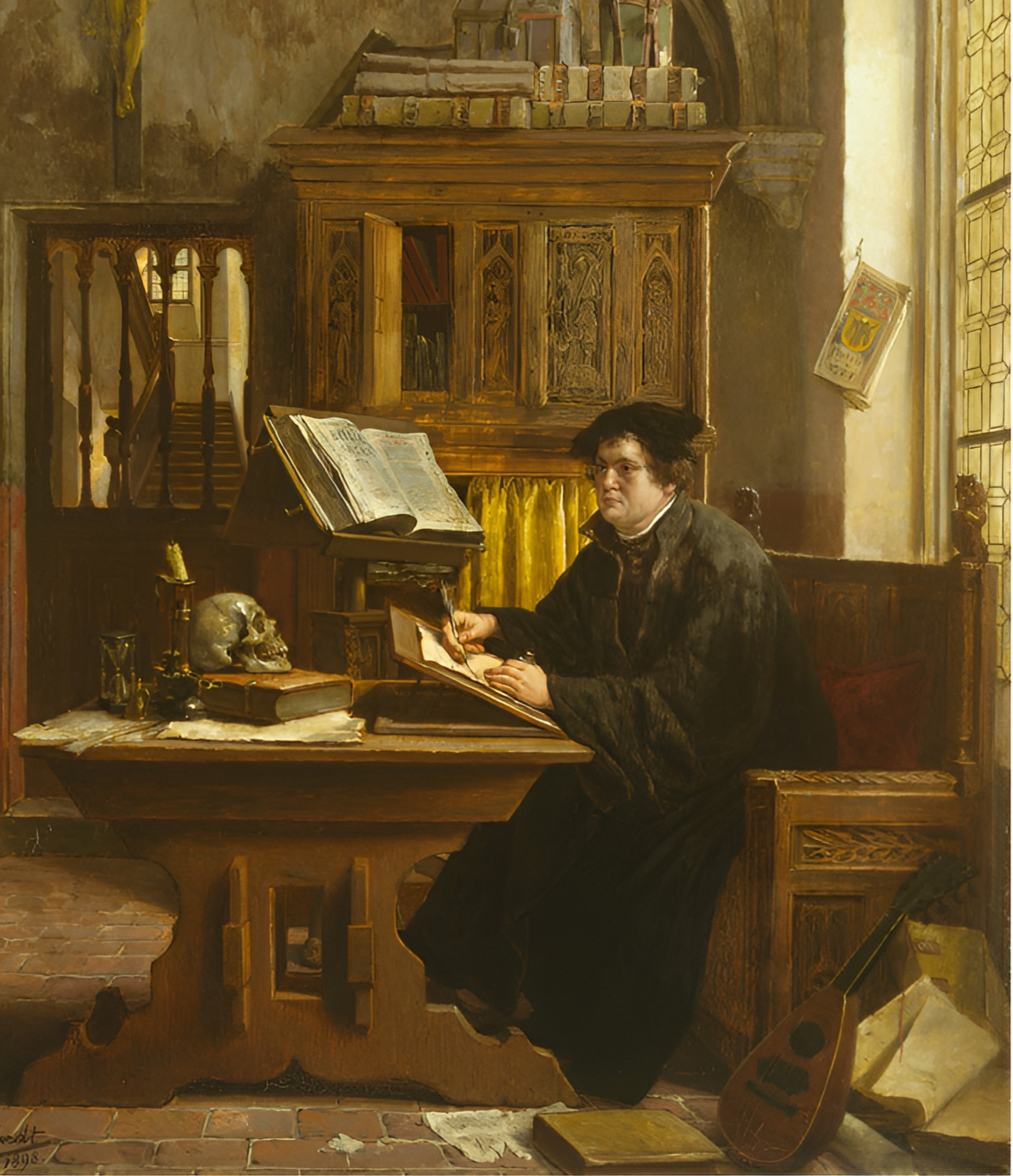
Sola Scriptura is the fundamental Protestant doctrine, but how should it be practiced? Here’s how Martin Luther—the man who brought Sola Scriptura into the public mind—thought it should be lived out in the Christian life.
Sola Scriptura was the “formal issue” of the Protestant Reformation and is the chief theological commitment upon which the movement, and faithful Christian practice as a whole, is founded.
Soli Deo Gloria is more than just a theological principle—it’s the lens through which we ought to see everything. Creation, redemption, even our very lives, these will only be truly understood when we understand them as expressions of the glory of God.